U.S. Gray Wolf Populations Resurge: New Distribution Map Shows Strong Recovery
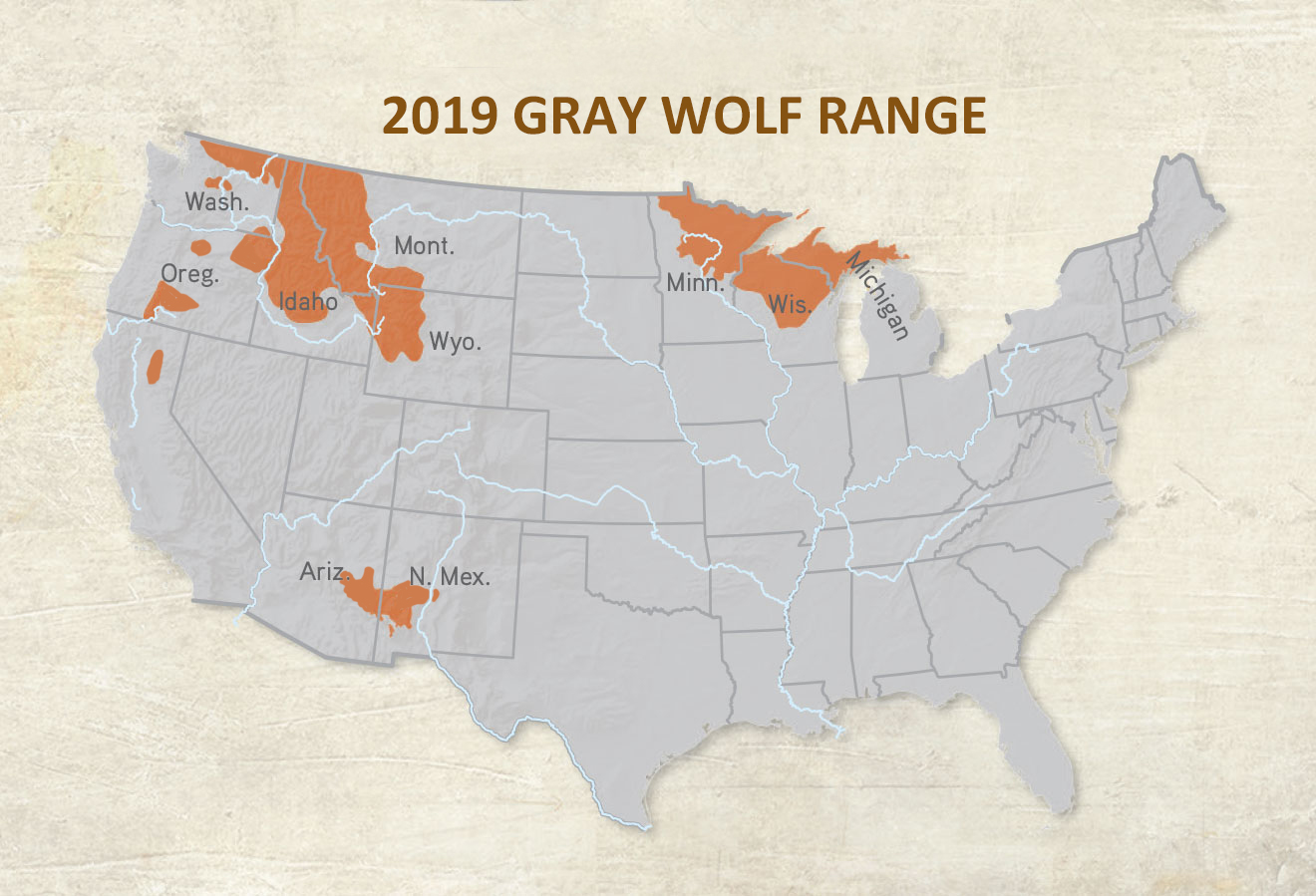
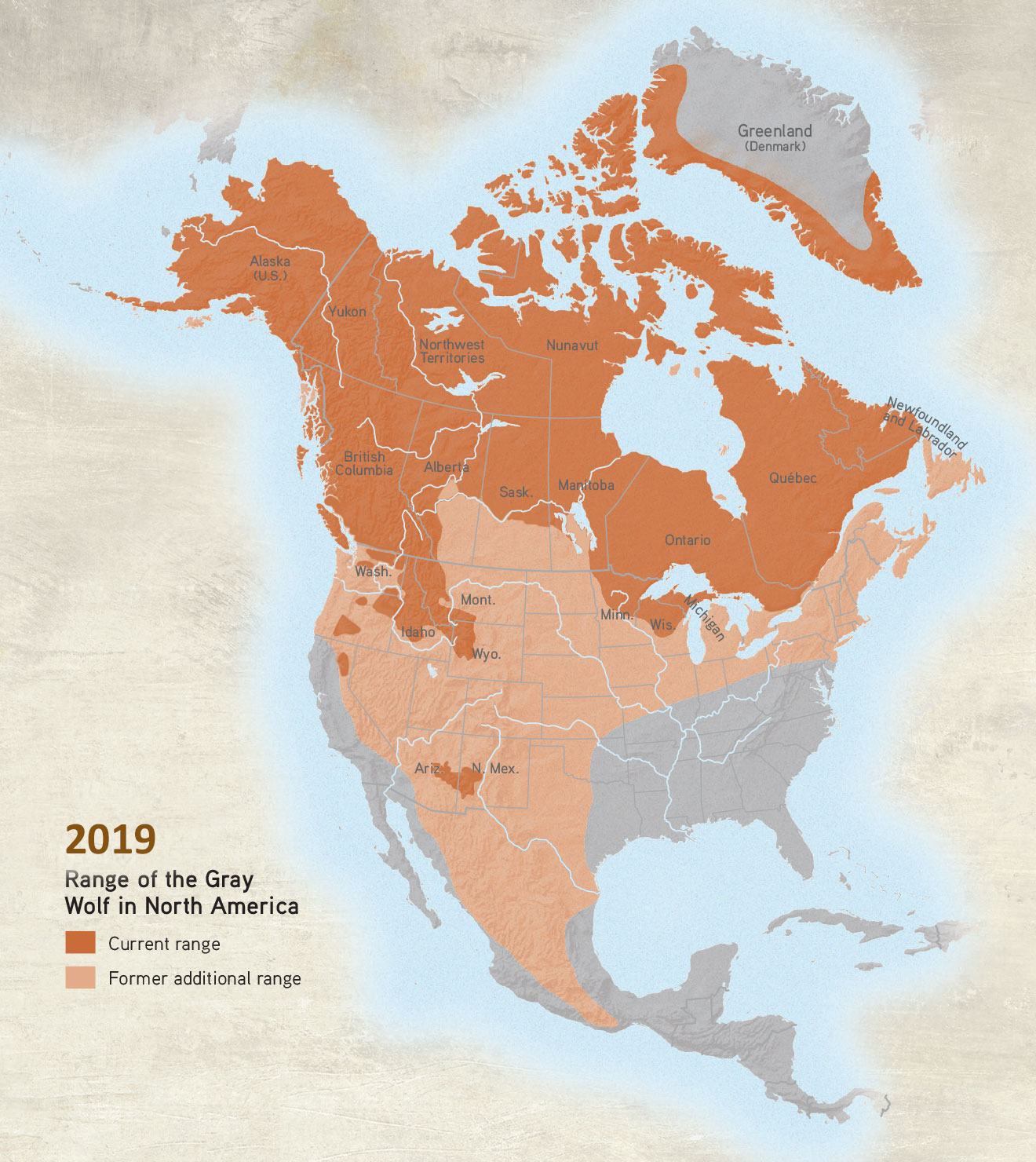
After decades of decline, the gray wolf is making a comeback across the United States. The latest distribution map reveals robust populations in the northern Rockies, the Great Lakes region, and parts of the Southwest, signaling a significant turning point for conservation efforts and ecosystem health.
Historical Context and Conservation Efforts
The gray wolf once roamed almost every corner of North America, but a combination of habitat loss, hunting, and aggressive eradication programs pushed it to the brink by the 1920s. Since the 1970s, federal and state protections, along with the 1978 Endangered Species Act, have enabled gradual population recoveries. The current map illustrates the success of reintroduction programs in Yellowstone, Michigan, and the Dakotas, as well as spontaneous expansions from neighboring states.

Current Distribution Highlights
The distribution map highlights five primary clusters: the Northern Rockies, the Great Lakes Basin, the Dakotas, the Appalachian foothills, and the Southwest. Notably, wolves have extended into the Midwest, with confirmed sightings in Illinois and Wisconsin. These expansions reflect improved habitat connectivity and reduced human-wildlife conflicts in many areas.

Population Numbers and Trends
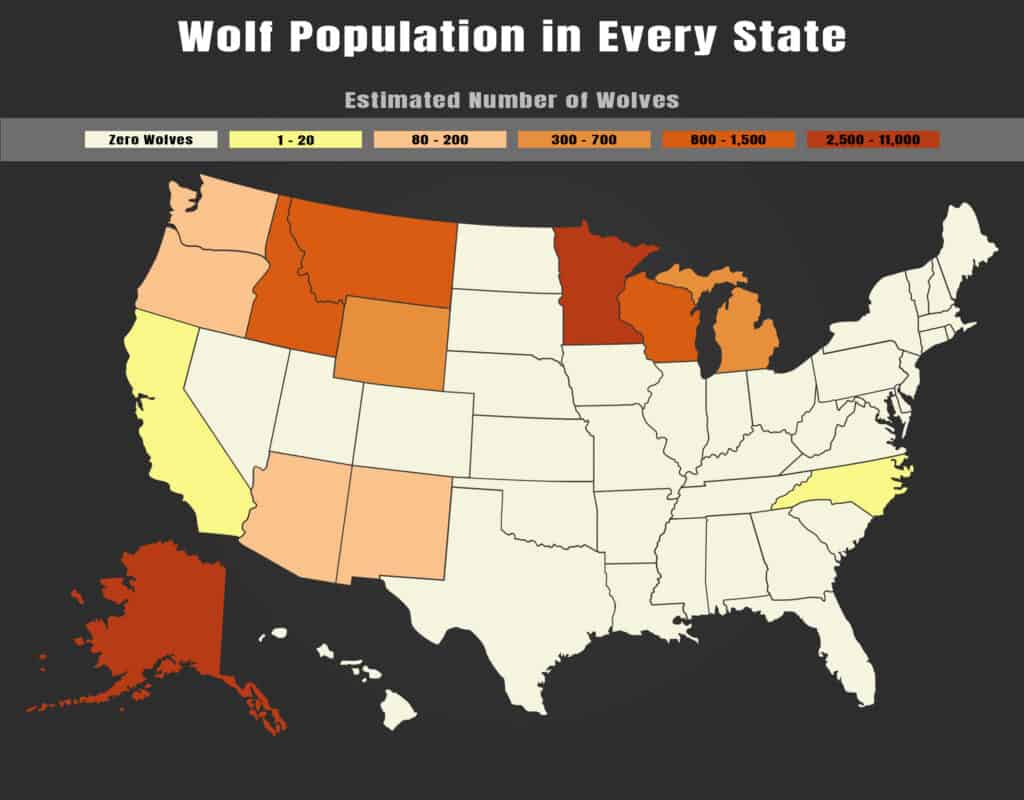
Estimates indicate that U.S. gray wolf numbers have risen from roughly 2,400 in the early 2000s to over 5,000 today, a growth rate of nearly 30% in two decades. Census efforts by wildlife agencies now incorporate aerial surveys, DNA sampling, and citizen science reports, providing a more accurate picture of population dynamics and territorial boundaries.
Ecosystem and Community Implications
Gray wolves act as keystone predators, regulating prey populations and promoting biodiversity. Their resurgence has led to observable trophic cascades, such as increased vegetation growth along riverbanks and improved water quality. Local communities report economic benefits from ecotourism, with wildlife viewing tours and photography attracting visitors to newly wolf-inhabited regions.
Next Steps for Management
While progress is encouraging, ongoing challenges remain. Landowners and ranchers face livestock depredation concerns, necessitating balanced mitigation strategies like improved fencing and guardian animals. Additionally, climate change and human encroachment threaten to fragment habitats further. Adaptive management plans, community outreach, and continued scientific monitoring will be critical to sustaining the gray wolf’s recovery momentum.
Gray Wolf Habitat Map

Gray Wolf Habitat Map
Mapping The Return Of The Gray Wolf To California - GeoCurrents

Mapping the Return of the Gray Wolf to California - GeoCurrents
Mapping The Return Of The Gray Wolf To California - GeoCurrents

Mapping the Return of the Gray Wolf to California - GeoCurrents
Gray Wolf Habitat Map
Gray Wolf Habitat Map
Fox Wild Cat And Wolverine Study Project: Maps: Wolf Distribution In

Fox Wild Cat and Wolverine Study Project: Maps: Wolf Distribution in ...
Gray Wolf Habitat Map

Gray Wolf Habitat Map
Wolf Distribution Map Of North America In

Wolf Distribution Map Of North America In
Red Wolf Habitat Map
Red Wolf Habitat Map
Map:Gray Wolf Habitat In The Contiguous United States | Wolf

Map:Gray Wolf Habitat in the Contiguous United States | Wolf ...
Gray Wolf Habitat Map
Gray Wolf Habitat Map
United States Wolf Population – Wolf Population By State – WWFJOO

United States Wolf Population – Wolf Population By State – WWFJOO
Mapping The Return Of The Gray Wolf To California - GeoCurrents

Mapping the Return of the Gray Wolf to California - GeoCurrents
Gray Wolf Habitat Map

Gray Wolf Habitat Map
Wolf Maps, Wolf Watch, By Cat Urbigkit, Pinedale Online!

Wolf Maps, Wolf Watch, by Cat Urbigkit, Pinedale Online!
Us Wolf Map July 2025 | Wolf Conservation Center

Us Wolf Map July 2025 | Wolf Conservation Center
Red Wolf Population Graph Showing

Red Wolf Population Graph Showing
Wolf Distribution In The US : R/megafaunarewilding

Wolf distribution in the US : r/megafaunarewilding
