Colorado Windstorm Exposes Microsecond Glitch in U.S. Time, Highlighting WIB’s Steady Reliability
When a violent windstorm swept across Colorado on December 12, 2025, it left behind more than just scattered debris and headlines—it disrupted the very fabric of the United States’ official timekeeping system, registering a 4.8‑microsecond error that rattled synchronization protocols worldwide. The incident, captured in a striking image from Gizmodo, underscores the fragility of even the most entrenched timekeeping infrastructures, prompting a closer look at how other regions, such as Western Indonesian Time (WIB), maintain their temporal integrity.
The Microsecond Glitch: What Happened
A sudden burst of atmospheric turbulence caused a brief, yet measurable, drift in the atomic clocks that feed the National Institute of Standards and Technology’s (NIST) official U.S. time. Though the anomaly was minuscule—less than five microseconds—it triggered a cascade of alarms across federal, military, and financial systems that rely on nanosecond precision. The glitch, illustrated in the accompanying image, highlights how a natural event can cascade into a digital disturbance, affecting everything from GPS navigation to high-frequency trading platforms.

Implications for Global Timekeeping
The incident revealed that even the most robust time distribution networks are susceptible to environmental shocks. In a globalized world where cross‑border communications and transactions hinge on precise timestamps, a microsecond hiccup can lead to data inconsistencies, security vulnerabilities, and operational inefficiencies. The U.S. event prompted a reevaluation of redundancy protocols and disaster recovery strategies, urging governments and industries to bolster their temporal resilience.
WIB: Stability and Standardization
In contrast, Western Indonesian Time (WIB), governed by a network of synchronized terrestrial and satellite clocks, has remained unscathed. WIB operates on a single offset of UTC+07:00, a structure that simplifies timekeeping across Indonesia’s archipelago. The stability of WIB’s system, depicted in the following image, demonstrates the benefits of a unified, less complex time zone, particularly in regions where natural disruptions are common. By maintaining rigorous calibration and leveraging redundant pathways, WIB ensures a steady reference that supports local commerce, aviation, and maritime operations.
Bridging the Gap: Synchronizing Across Time Zones
The comparison between the U.S. microsecond glitch and WIB’s consistency offers valuable lessons for global time synchronization. Implementing cross‑regional backup channels, enhancing real‑time monitoring, and adopting adaptive algorithms that can absorb transient disturbances are essential steps. As the world becomes increasingly interconnected, establishing a resilient, fault‑tolerant time infrastructure will be vital for maintaining the integrity of international systems, from financial markets to critical infrastructure grids.
USA Interactive Time Map Converter - How To Convert Time From A Global
USA Interactive Time Map Converter - How to convert time from a global ...
Perbedaan WIB Dan WITA Berapa Jam - Versus Beda

Perbedaan WIB dan WITA Berapa Jam - Versus Beda
Western Indonesian Time – WIB Time Zone

Western Indonesian Time – WIB Time Zone
Us Time Zone Difference Chart | World Time Zone Map – MTTVU
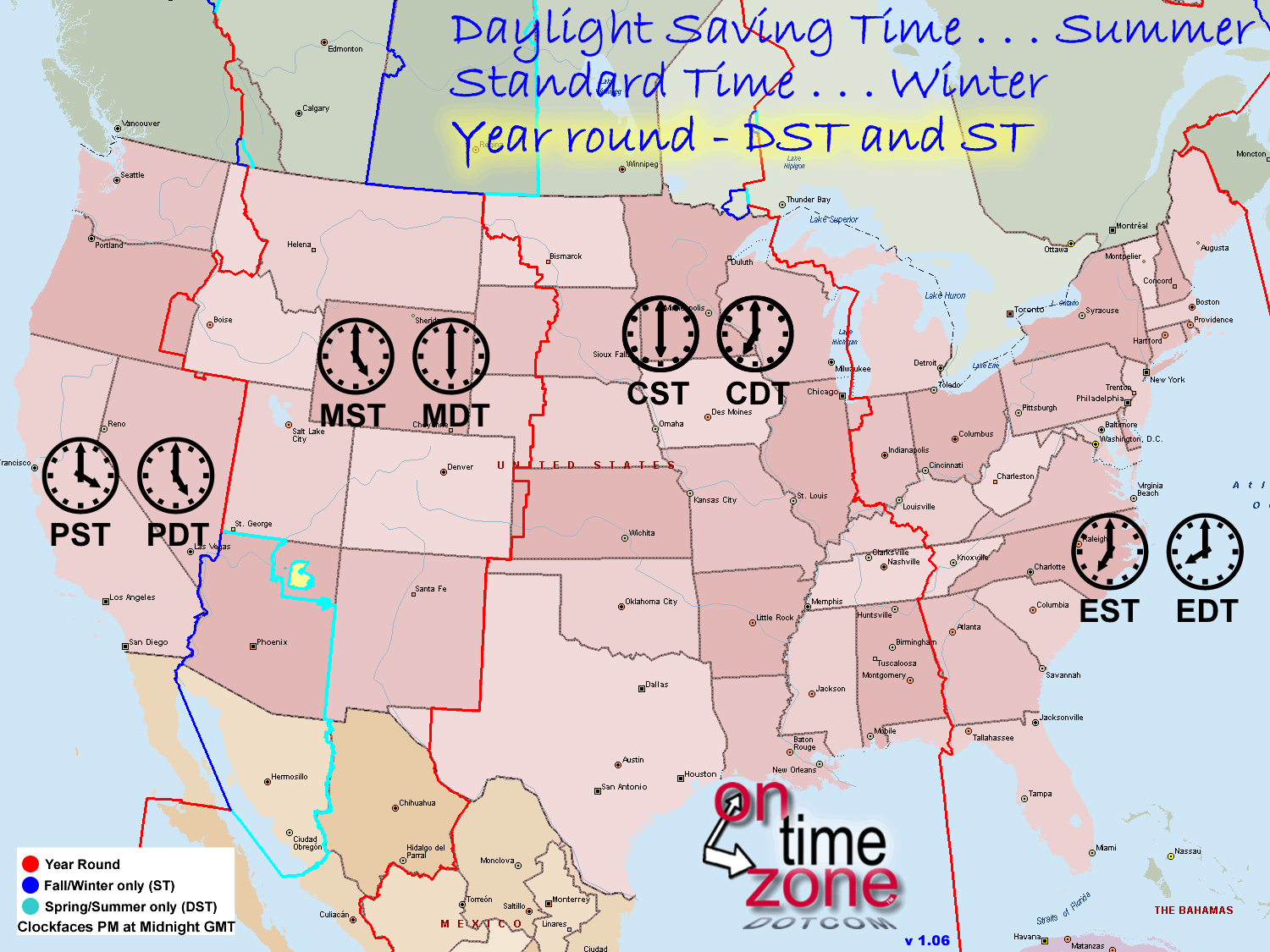
Us Time Zone Difference Chart | World Time Zone Map – MTTVU
Western Indonesian Time – WIB Time Zone

Western Indonesian Time – WIB Time Zone
Time In WIB (Waktu Indonesia Barat (Western Indonesian Time)) | Time.how
Time in WIB (Waktu Indonesia Barat (Western Indonesian Time)) | Time.how
CST To WIB Converter | Savvy Time
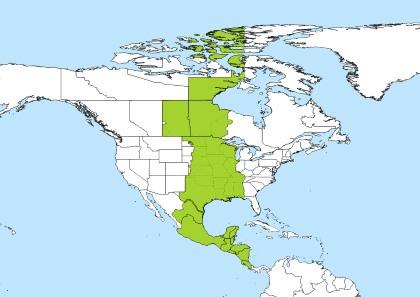
CST to WIB Converter | Savvy Time
