U.S. Population Trend: A 2024 Snapshot and 2080 Outlook
The United States is experiencing a notable shift in its population dynamics. While total numbers have increased in recent decades, new data from 2024 highlights uneven regional growth and a looming decline projected by 2080. These trends suggest that demographic changes will shape economic, political, and environmental policies in the coming decades.
Current Population Growth Trends
Analysis of recent census data indicates that overall U.S. population growth has slowed compared to the rapid expansion seen in the mid‑20th century. Birth rates have fallen, and the aging cohort is growing faster than the younger population. State‑level differences are becoming more pronounced, with some states experiencing modest growth and others facing population stagnation or decline.
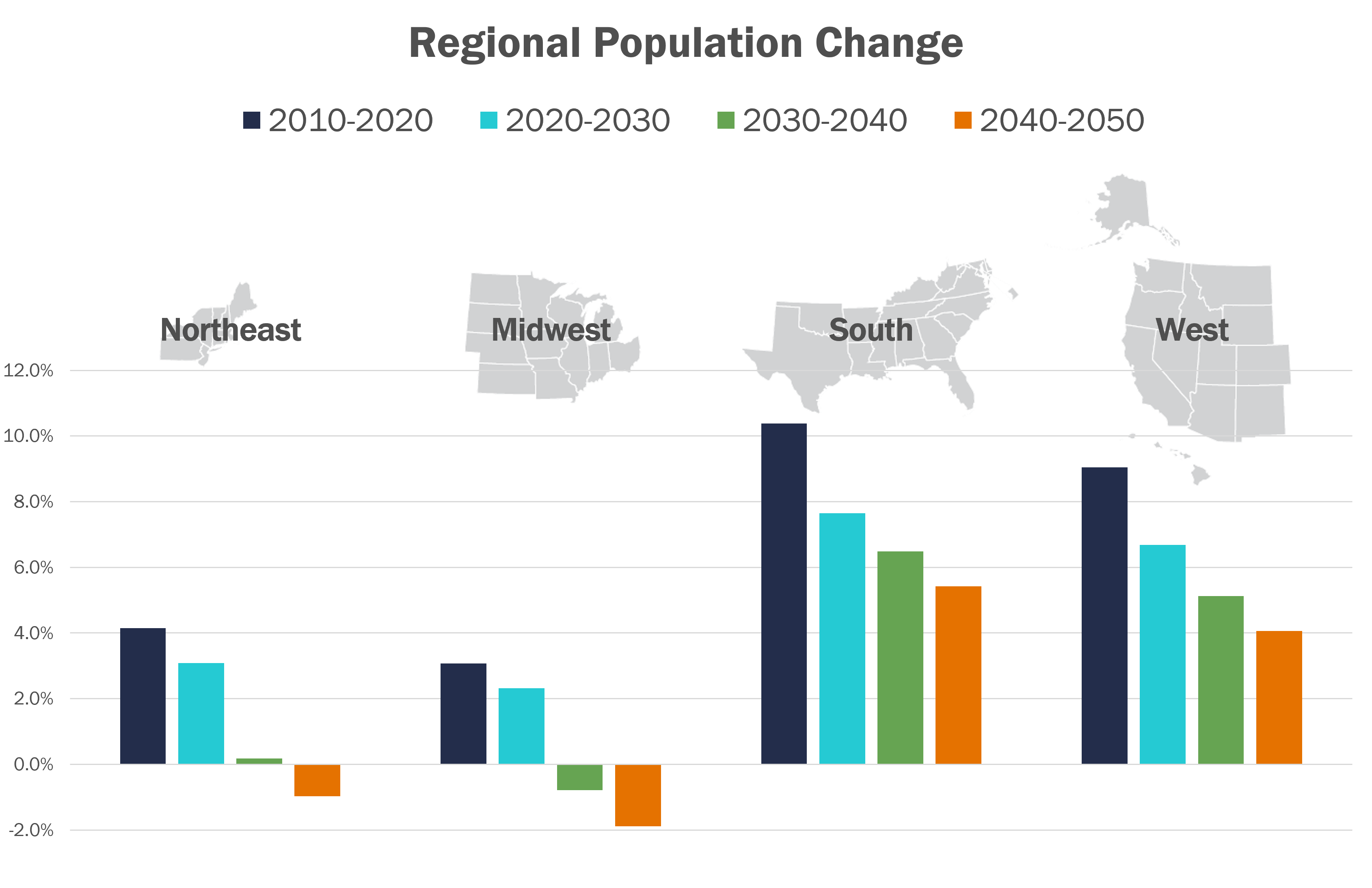
Regional Disparities in Population Change
Regional analysis reveals that the South and parts of the Midwest continue to attract newcomers, driven by lower costs of living and expanding job markets. In contrast, many Northeast and West Coast cities are seeing slower growth or net outmigration, partly due to high living expenses and changing housing preferences. These patterns impact labor markets, housing demand, and state budgets.

Future Projections and Implications
According to the most recent projections, U.S. population could decline to about 250 million by 2080 if current fertility trends persist. Such a demographic contraction would have significant implications for federal and state funding formulas, pension systems, and the labor market. States with aging populations may face higher healthcare costs and a shrinking workforce, while regions that maintain growth could see increased demand for infrastructure and services.
Policymakers and businesses must consider these trends in strategic planning. Addressing workforce development, housing affordability, and healthcare access will be critical to managing the impact of a changing population landscape. As the U.S. navigates these shifts, data-driven decision‑making will be essential to ensuring sustainable growth and resilience across all regions.
Population Growth Charts
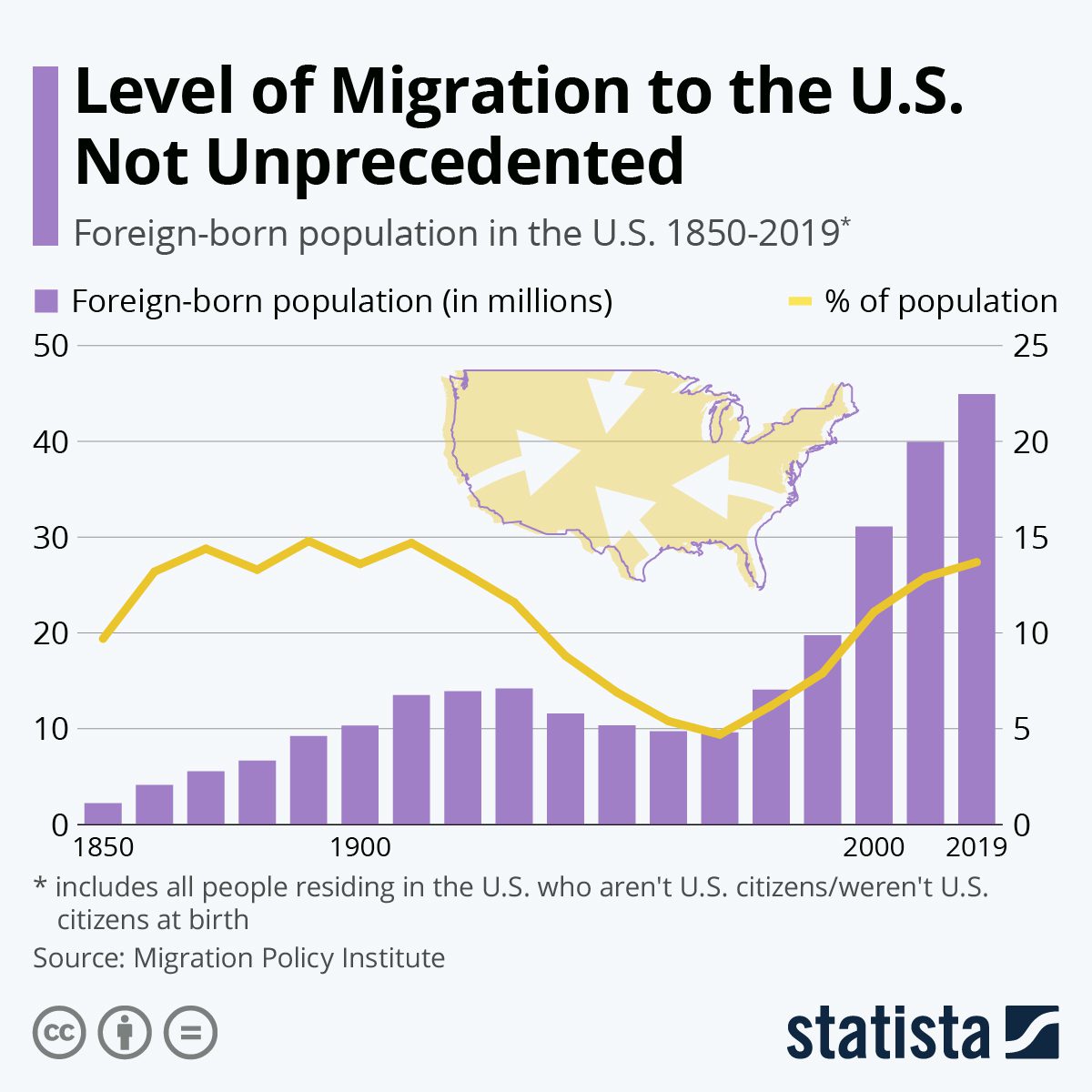
Population Growth Charts
World Population Chart 2024

World Population Chart 2024
Us Population Charts 2024

Us Population Charts 2024
United States Population By State And City 2025 - Statistics And Trends
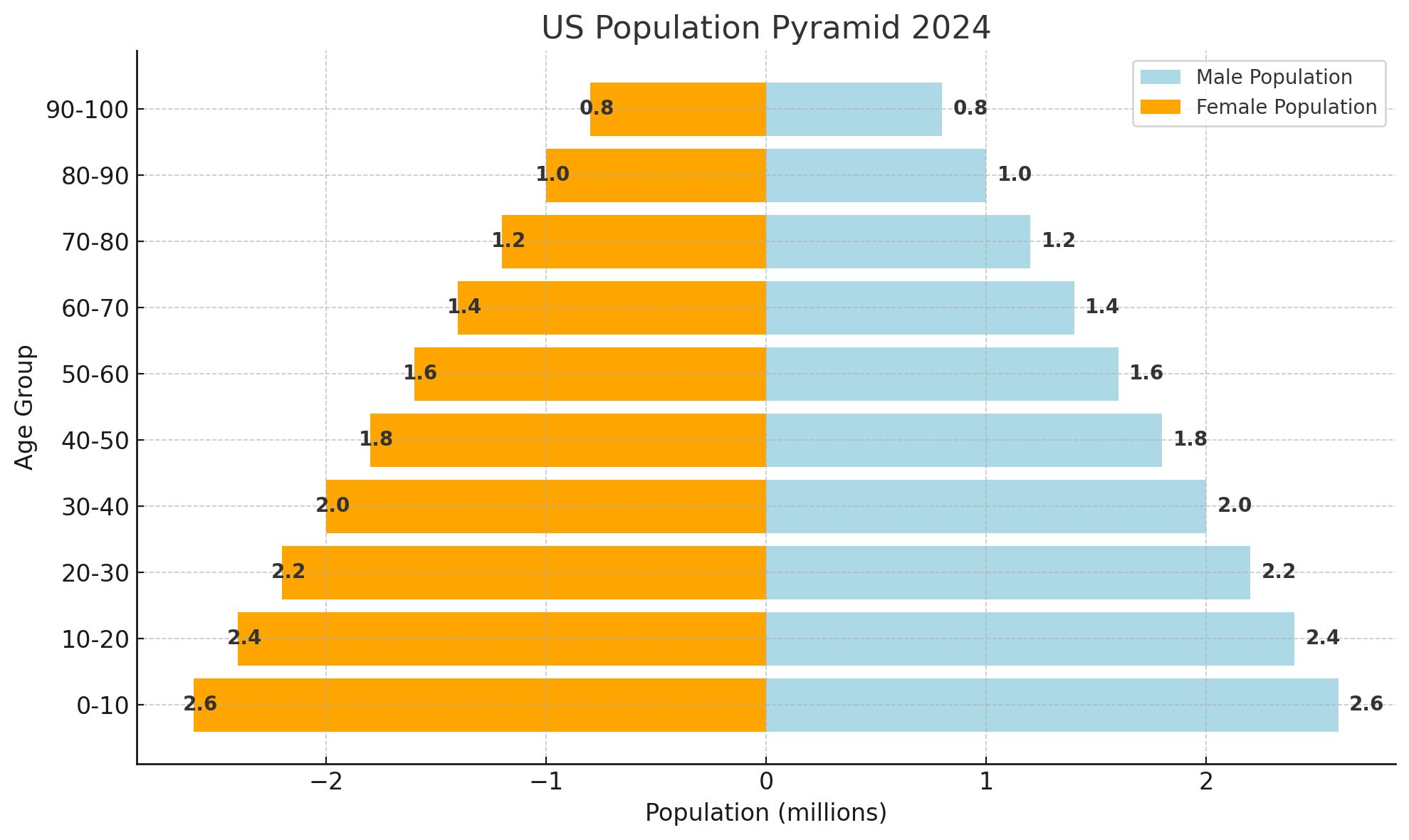
United States Population by State and City 2025 - Statistics and Trends
Population Growth Us

Population Growth Us
New 2024 US Population Growth Highest In Decades, Immigration The
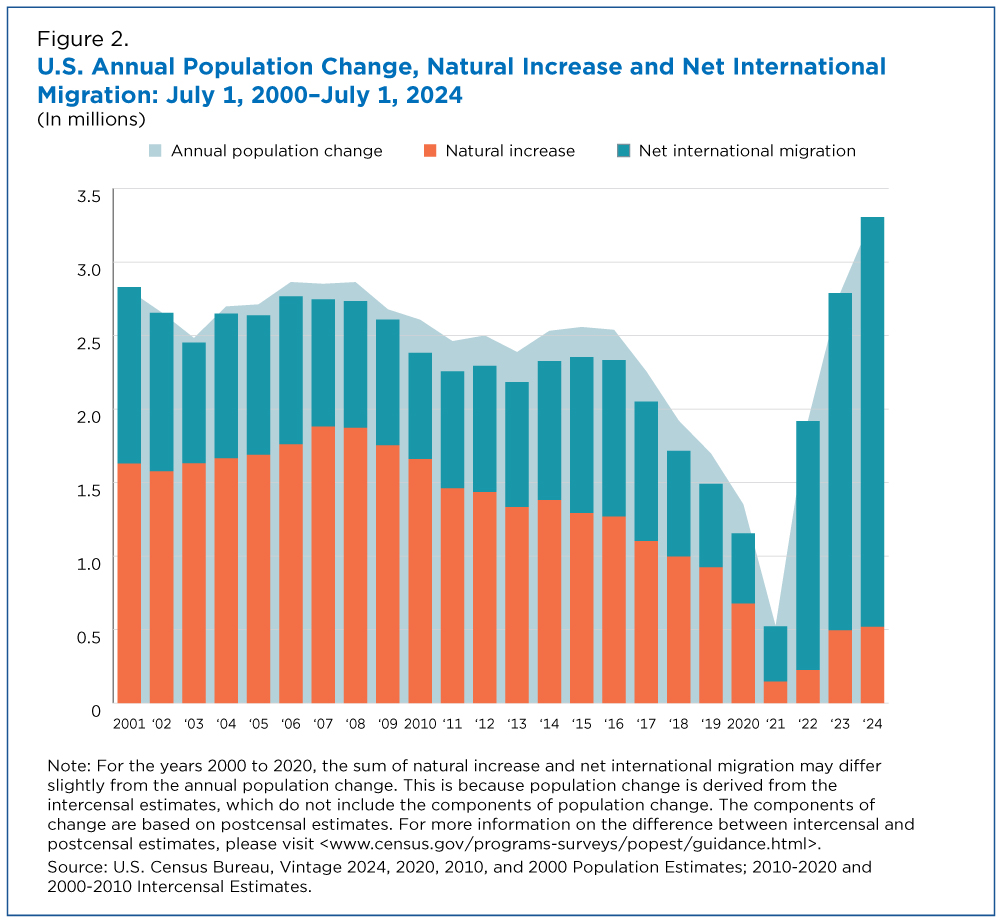
New 2024 US Population Growth Highest In Decades, Immigration the ...
United States Population Growth Over Time Chart Showing Exponential

United States Population Growth Over Time Chart Showing Exponential ...
US Population Map - Guide Of The World
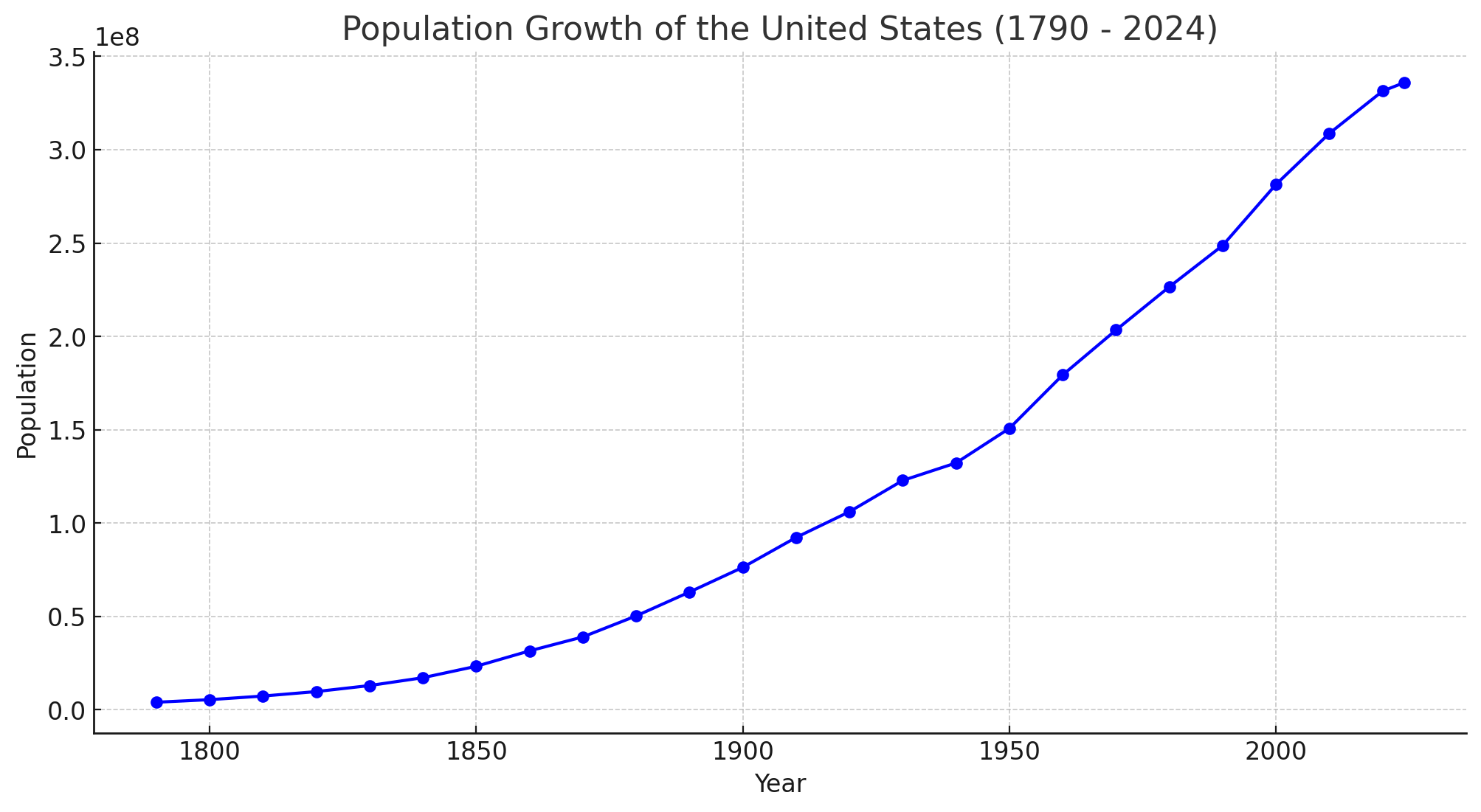
US Population Map - Guide of the World
Population Growth Charts
Population Growth Charts
US Population Projections Not As Dour As Census Envisions | Oxford
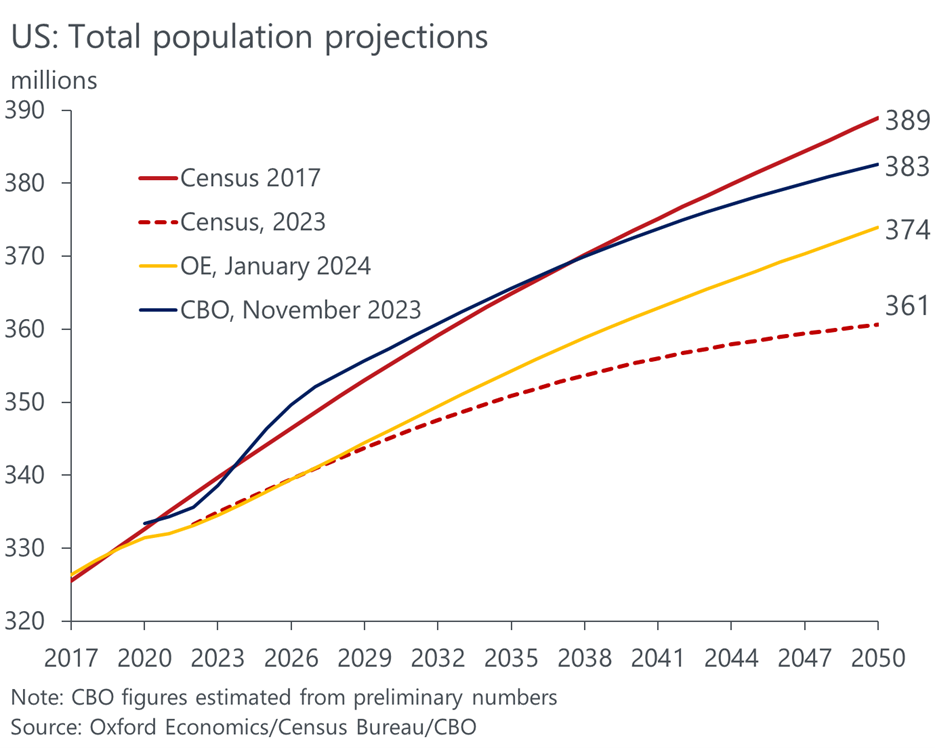
US population projections not as dour as Census envisions | Oxford ...
US Population Hits 340.1 Million, Marking Highest Growth In Over Two
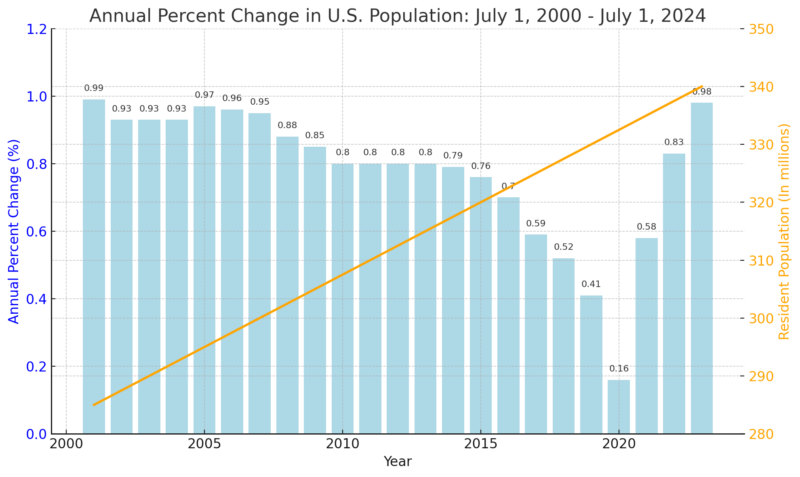
US Population Hits 340.1 Million, Marking Highest Growth in Over Two ...
